Loose Leash Walking: How to Start When Your Dog Pulls
Pulling isn't about dominance and it isn't a big-dog problem. Here is where we start leash training, and why it begins before you ever step outside.
November 24, 2026 · 3 min read
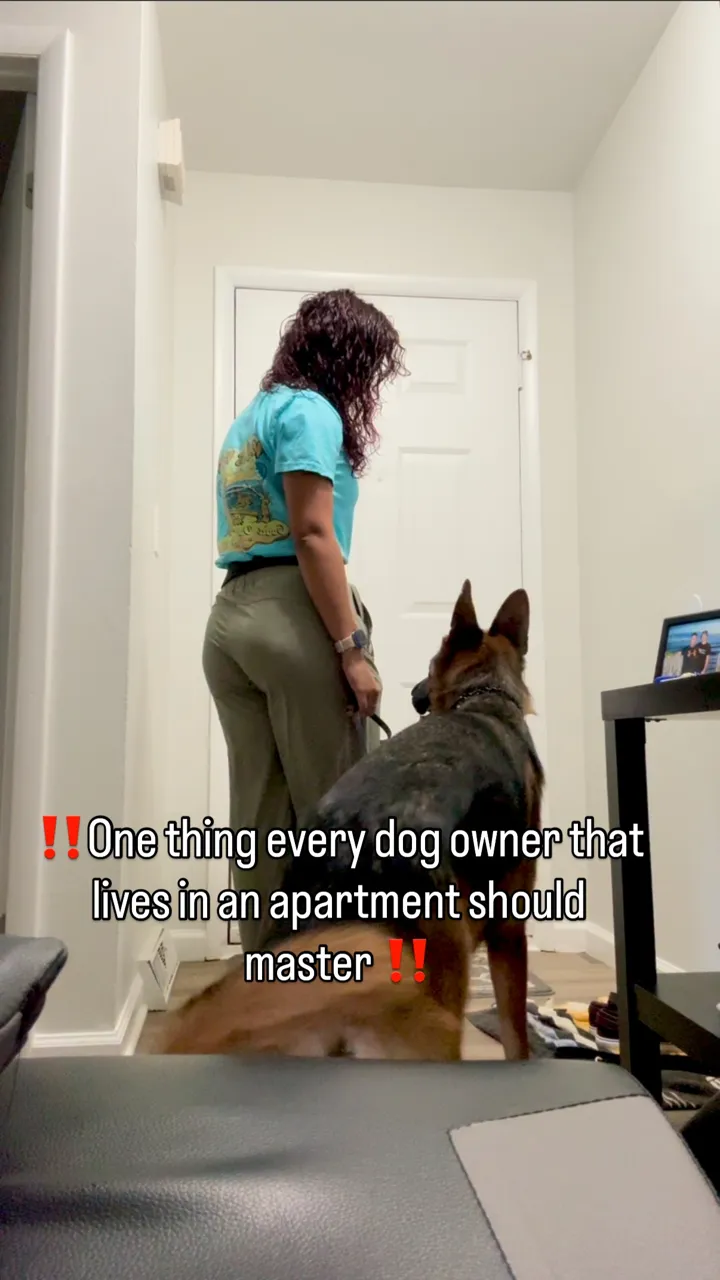
Loose leash walking starts at your front door, not on the sidewalk. If your dog drags you out of the house, the walk is already lost before it begins, so the first thing we fix is the exit. And yes, that goes for the little ones too.
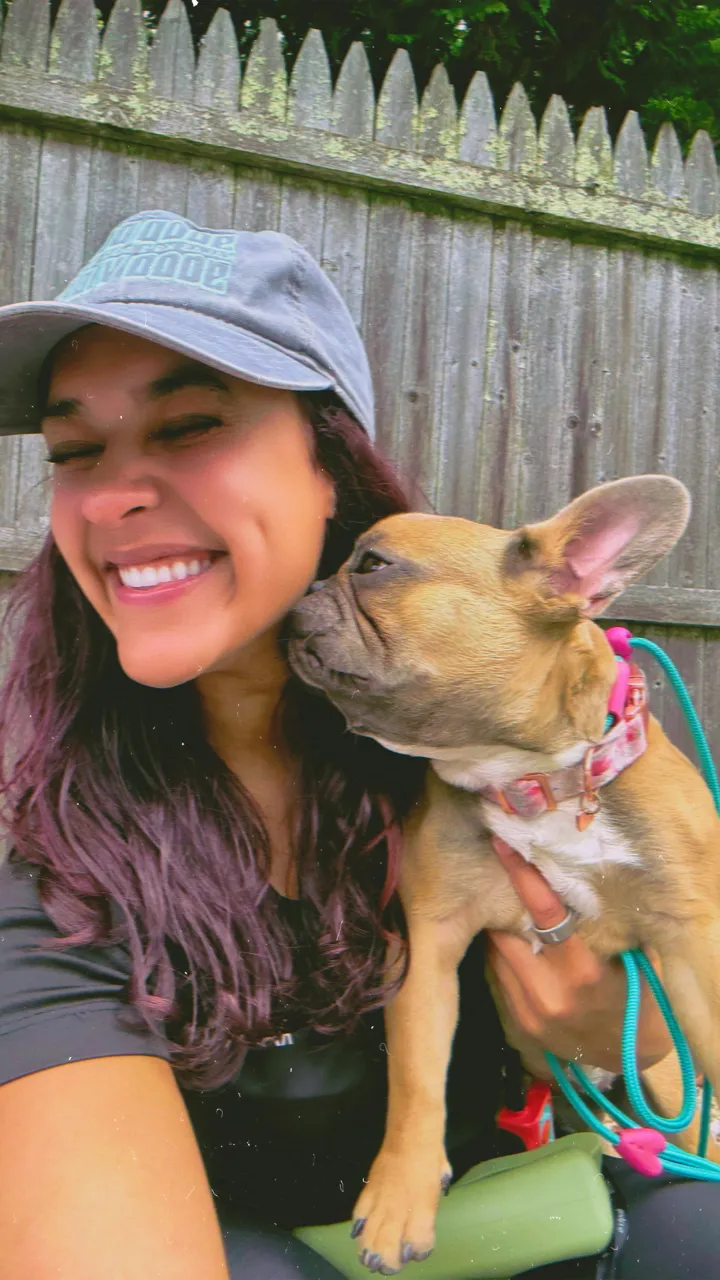
Lane put it bluntly in a reel on 26 June 2025: it does not matter how small your dog is. They can learn to walk nicely on a leash. If a big dog would get in trouble for doing something, your small dog should as well.
Small dogs get a pass they shouldn't
We see it all the time. A big dog hauling its owner down the street gets called a problem. A tiny dog doing the exact same thing gets called cute, and the owner just lets the arm go loose and follows along.
The dog doesn't know it's small. It's learning the same lesson either way: pull, and you get where you want to go. Holding a small dog to a lower standard doesn't make it happier. It just means the pulling never gets addressed until the dog is reacting to things at the end of a tight leash.
Pulling isn't about dominance
This is the part people get wrong. When a dog pulls, it's easy to reach for the old alpha talk, as if your dog is trying to rank above you. That isn't what we teach and it isn't what Lane meant.
Here's how she explains it. A dog that's out in front, pulling, believes it's in charge of whatever is going on. Who goes first, how fast, which smell, which dog to stare at. A dog walking at your side or slightly behind you sees itself as a follower on that walk. That's it. No dominance theory, no being the pack leader. It's about who is making the decisions for the next few minutes, and on a walk that should be you.
Good leash manners aren't just about your arm not getting yanked. A dog who isn't in charge of the walk doesn't have to handle everything on it, and for a lot of dogs that's a relief.
Where we start
At the door. The forward rush starts at the threshold. We use the leash to stop the dog surging out, wait for them to settle, then release them through on a clear word. We wrote the whole routine up in teaching your dog to wait at the door, and it's the first step for a puller.
Inside, before outside. A hallway or a living room has nothing to chase, so it's where a dog first learns what a loose leash feels like. The street comes later, once that's easy.
Same rules for every dog. A small dog doesn't get carried past the hard part or allowed to lead because it's light enough to follow. If the big dog in the house would be corrected for it, so is the little one.
Consistency on every walk. A dog who's allowed to pull on Saturday because you're in a hurry will try it again on Monday. The rule only sticks if it applies every time.
When it's more than pulling
Sometimes the pulling is really fear, or a dog lunging at other dogs, and that needs a different plan than leash manners alone. That's the kind of thing we work through in our Home N' Train program: an hour a day for 3 consecutive weeks, on your own street with your own dog, ending with a session where Lane hands you the leash so the habits hold once we're gone.
If you're in Bend and every walk feels like a fight, book a session and we'll start at your door.
Based on Lane’s Instagram reel from June 26, 2025.
Where this fitsHome N' TrainLike a board and train, but better.